Articles
-
Organizing All People
We will not win without destroying white supremacy and patriarchy
-

photo credit: Getty Images Reclaiming Our Financial Power
In this episode of the Raci$m Is Profitable podcast, Solana Rice and Jeremie Greer join ACRE’s Maurice BP-Weeks to examine the oppressive narratives that limit people of color’s economic power.
-

Credit: Victor Odiba's The Arts in Today’s Movements
Insights from Nigeria’s #EndSARS Campaign
-
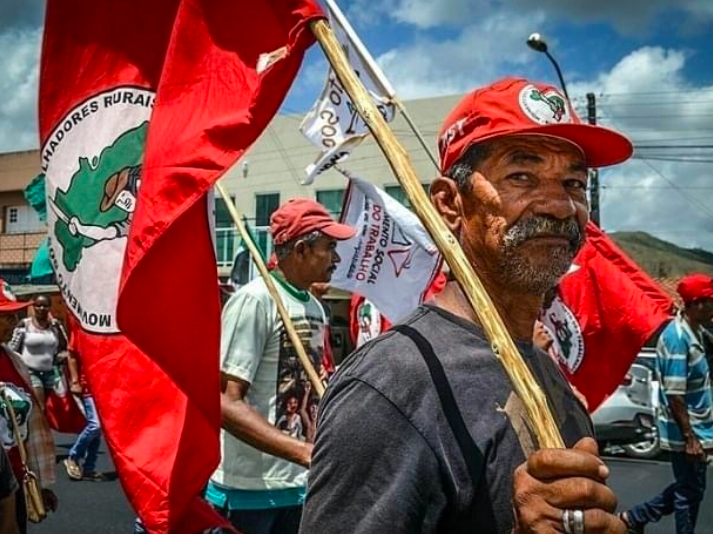
An MST march. (Facebook/Gustavo Marinho) How movements can maintain their radical vision while winning practical reforms
Forty years of struggle by Brazil's landless workers movement offers lessons on engaging the system without being co-opted.
-

Getty Images Leveling the Information Playing Field
University financial analyses can serve as political education and organizing tools.
-
The Roots and Reasons of Privatization
An excerpt from The Privatization of Everything
-
“My job was to organize you”
An excerpt from On the Line
-

photo credit: Getty Images Revolutionary Grounds
On February 23, the DSA International Committee, Starbucks Workers United, and the Emergency Workplace Organizing Committee hosted Revolutionary Grounds to hear insights from Starbucks workers organizing from Buffalo, New York, to Valparaíso, Chile.
-

Climate protest at COP 26. Courtesy of Mark Ortiz. Fighting Climate Change in the Global South
Mark Ortiz talks with youth climate justice organizers from the Philippines, Balochistan, Mexico, and Bangladesh who are working with Fridays for Future MAPA (Most Affected Peoples and Areas).
-
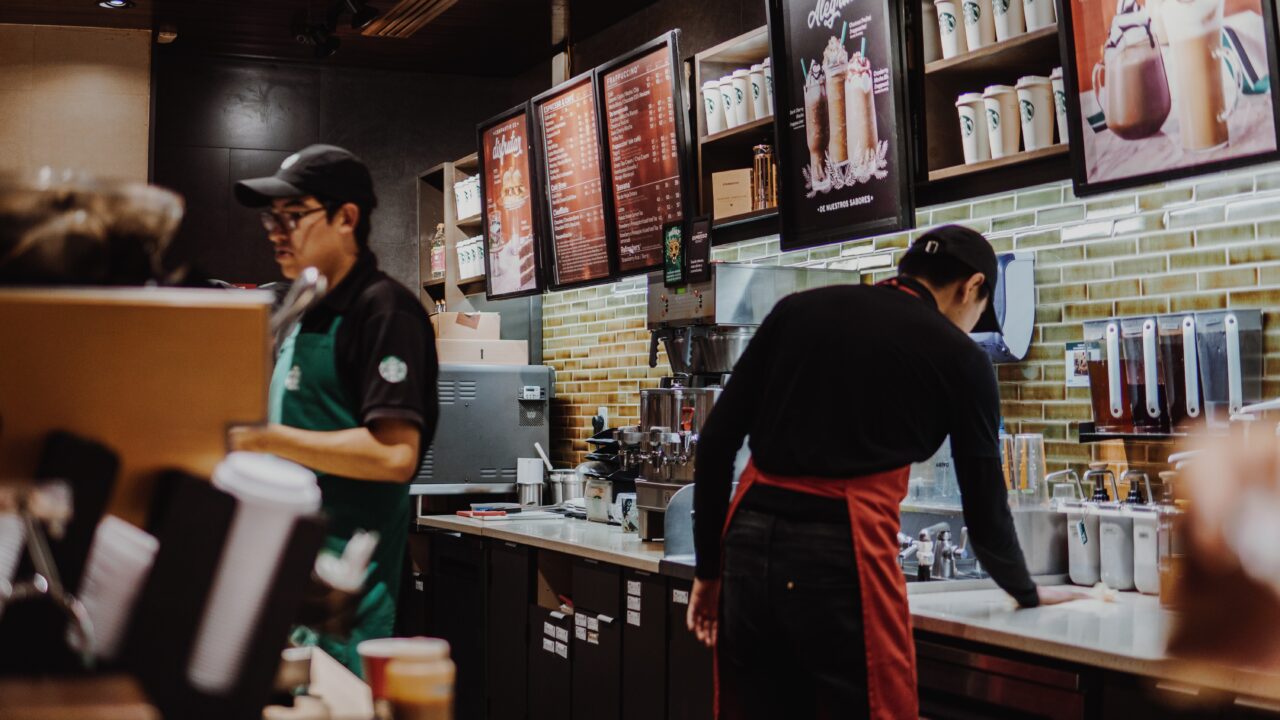
Asael Peña From Coworkers to Comrades
A conversation with Coworker’s Michelle Miller and Tim Newman
-

Kheel Center for Labor-Management Documentation and Archives,Cornell University Library “It’s Never the End Because the Struggle Continues”: An Interview with Kim Kelly
Kim Kelly on her new book, labor journalism today, and what is giving her hope right now.
-

Image courtesy of the author Strategy Charts & Power Maps: A User Guide
Check out these useful guides to create strategies for labor organizing and other social movement campaigns. These tools ask us to think deeply about how we are building the power of disruption to win.
-

Courtesy of Color Of Change Color Of Change’s “Big Tent”
Color of Change’s Arisha Hatch talks with Joy Cushman and Melanie Brazzell about the Building Structure Shapes report and the organization’s “big tent” structure.
-

photo credit: Getty Images We All Belong
In this episode of Raci$m Is Profitable, Greisa Martínez Rosas of United We Dream joins Solana Rice and Jeremie Greer to talk about citizenship.
-

Wikimedia Commons Could This Time Be Different?
Amazon warehouse workers in Staten Island just won a union. Is this the signal the labor movement’s been waiting for?
-
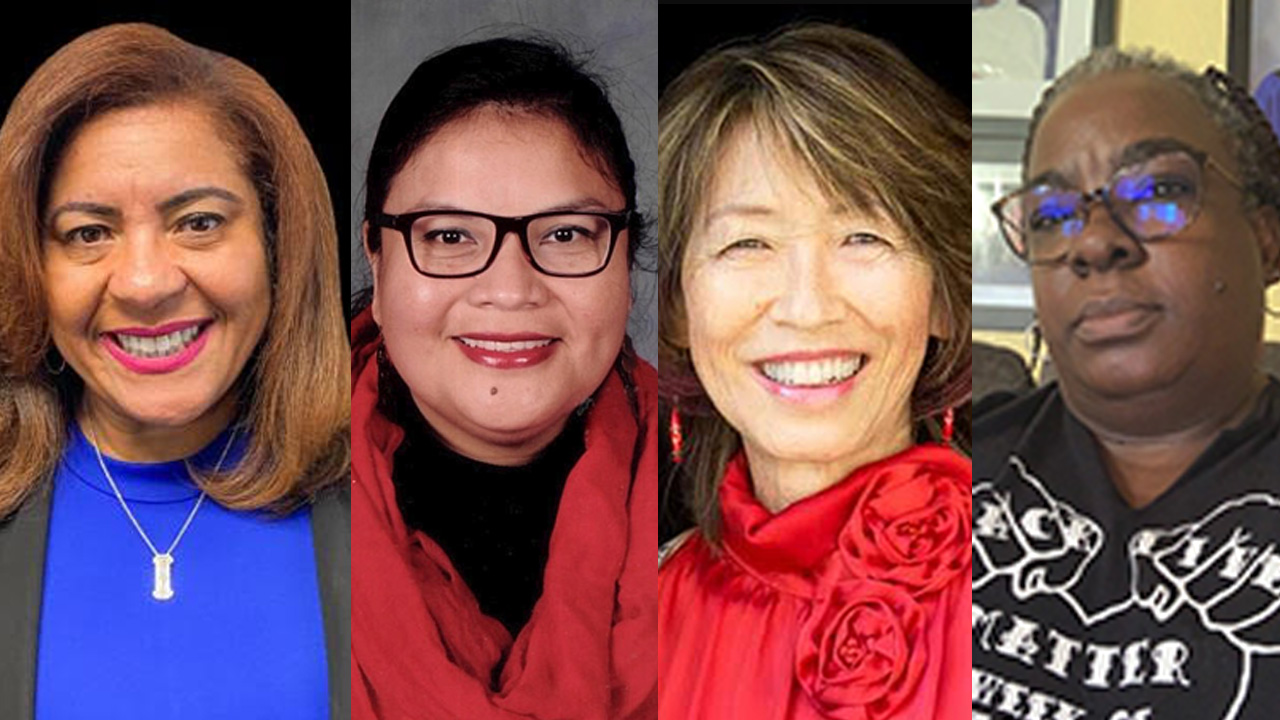
Building the Leadership of Members
Cecily Myart Cruz, the current President of UTLA, and area leaders Georgia Flowers Lee and Maria Miranda talk with UTLA Secretary Arlene Inouye about their organizing efforts, the barriers that still confront women of color, and how to dismantle these barriers to build the future we want.
-
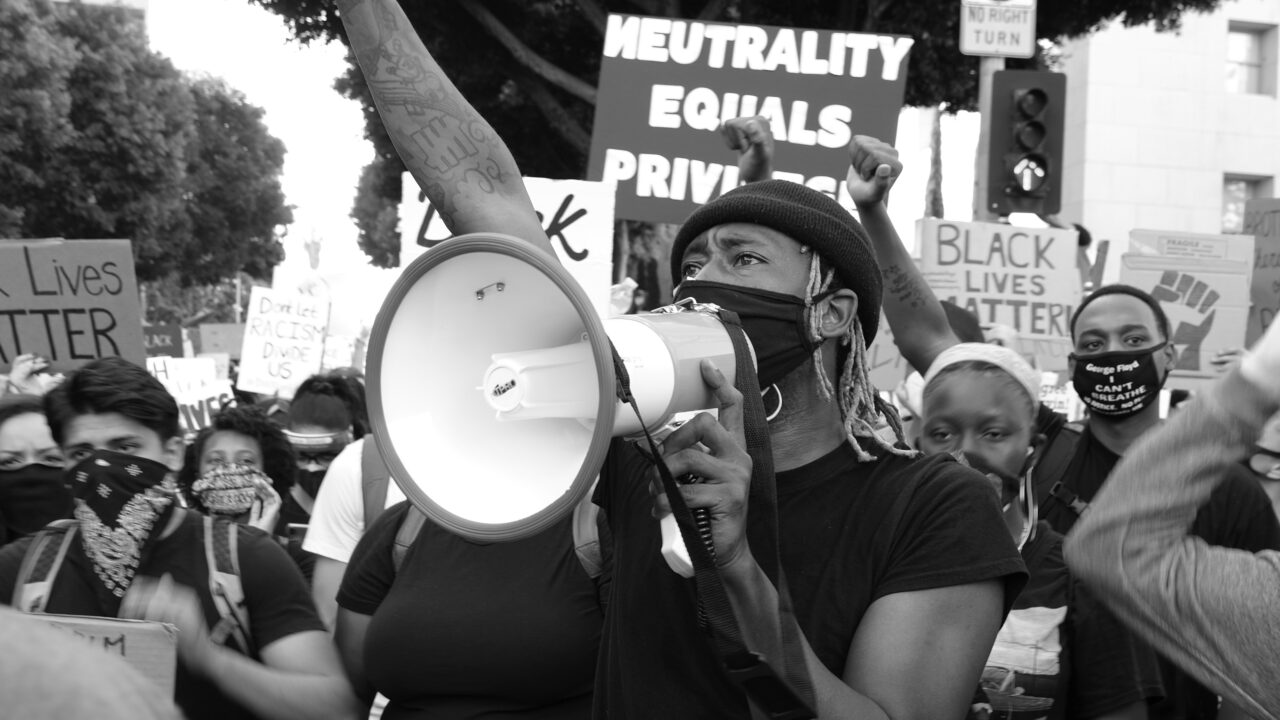
Call for Responses: Organizing Megacorporations
Join the conversation about the movement we need to organize megacorporations.
-
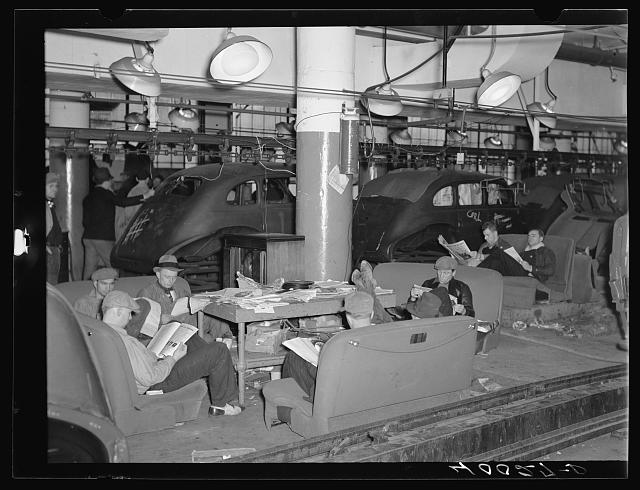
Sheldon Dick (Library of Congress) Lessons From Manufacturing in the 1930s
Eighty years ago, manufacturing unions faced the challenge of organizing a new and rapidly growing industry. What can we learn from these earlier struggles?
-

Rory Finneren, Wiki Commons Let A Thousand Flowers Bloom
Jill Hurst talks about her decades of experience in the labor movement, what labor can learn from movements like ACT UP, and the power of a militant minority executing culturally transgressive disruptions.
-

Getty Images “Winning in the South is the key to saving our democracy”
A conversation with Alphonso Mayfield