Articles
-

Getty Images “Co-governance doesn’t just mean electing people”
Cindy Chavez and Derecka Mehrens on what they’ve learned about building co-governance models, how COVID has tested these models, and why investing in democratic decision-making processes is so critical for our future.
-

Getty Images Building Governing Power in Texas
Organizers and elected officials in Austin talk about the work they’ve done to build governing power — what’s worked, what hasn’t, and what they’ve learned along the way.
-
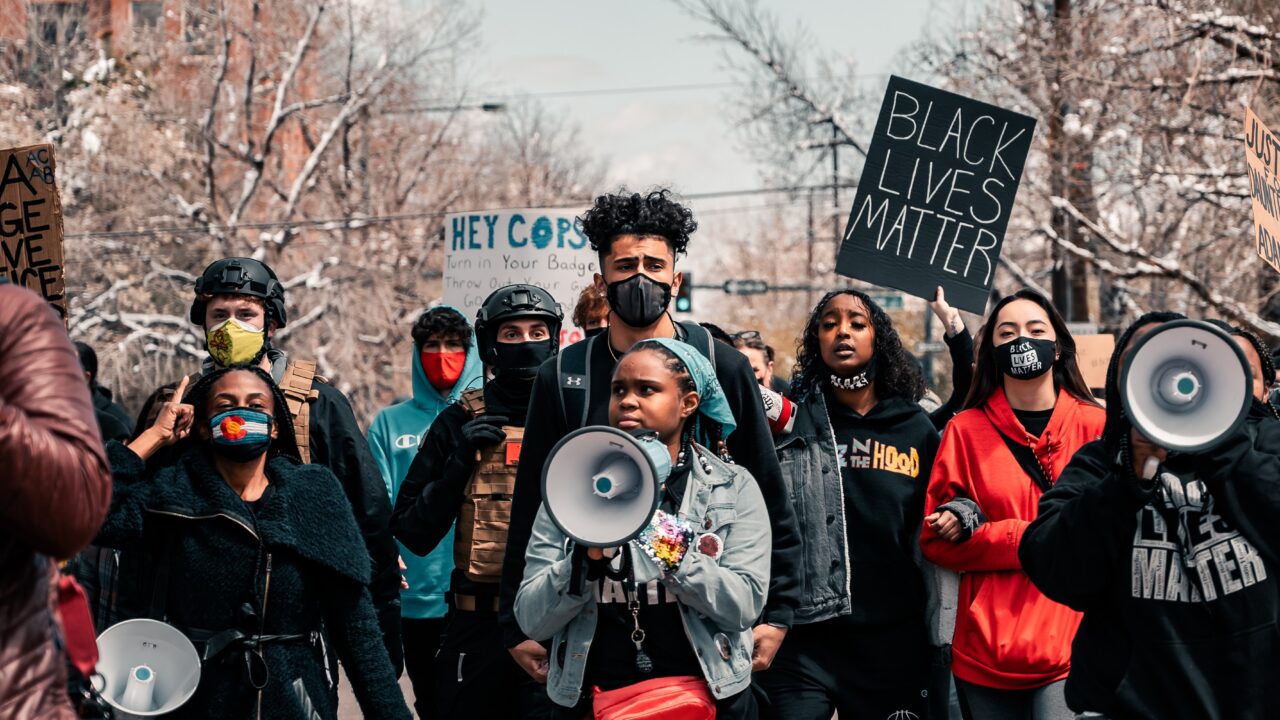
Photo by Colin Lloyd From Organizer to Elected: New Lessons on Co-Governance from those in Power
What does it mean when activists are the ones in office, and how should they and the movements they come from relate to each other? Four organizers turned elected officials talk about how they brought the lessons they learned building movements into the halls of power.
-

Getty Images “It takes all of us to push policies forward”
Jessica Byrd talks with three local elected officials — Mike Elliot, Gail Johnson, and Tishuara Jones — about the challenges they’ve faced as they fight to make change in their communities and what co-governance looks like in practice.
-
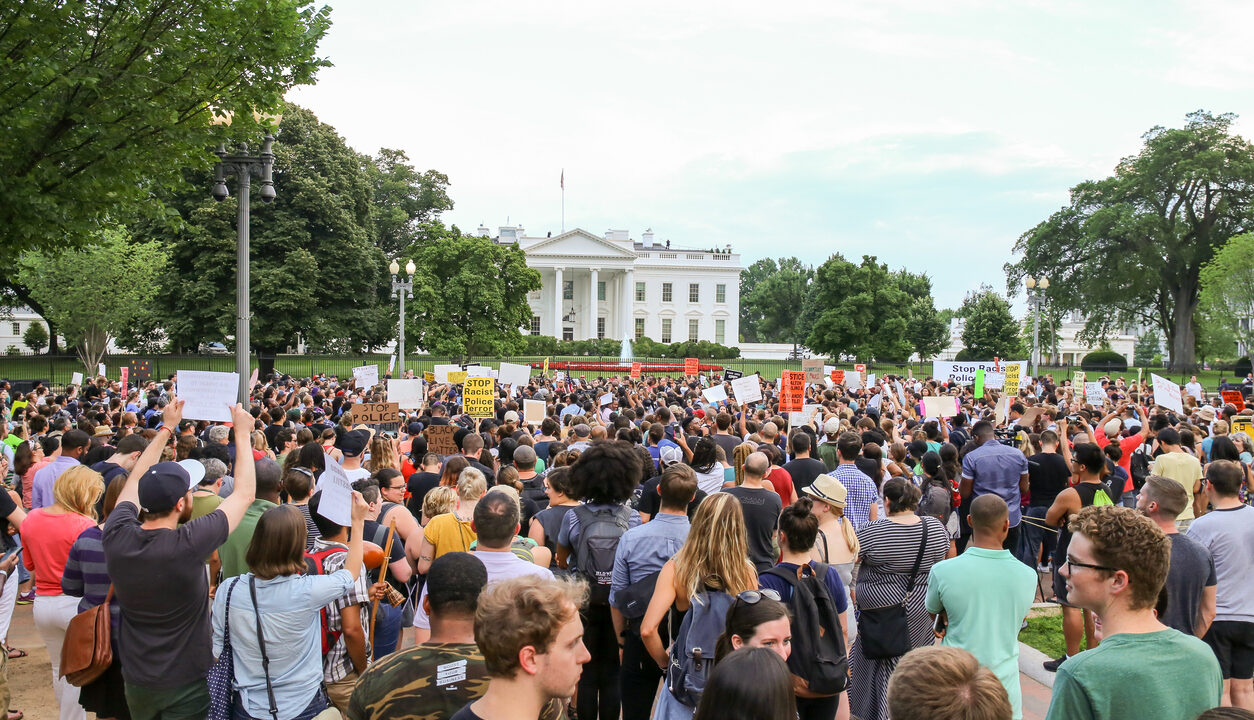
Getty Images Governing Together: Layers and Lessons
The stakes are as high as they have ever been for our people and our planet. We can no longer afford a narrow focus on winning incremental policies, elections, and public opinion.
-

Getty Images Power, Control, and Trust in Coalitions
Nine tips for how to make coalitions work
-
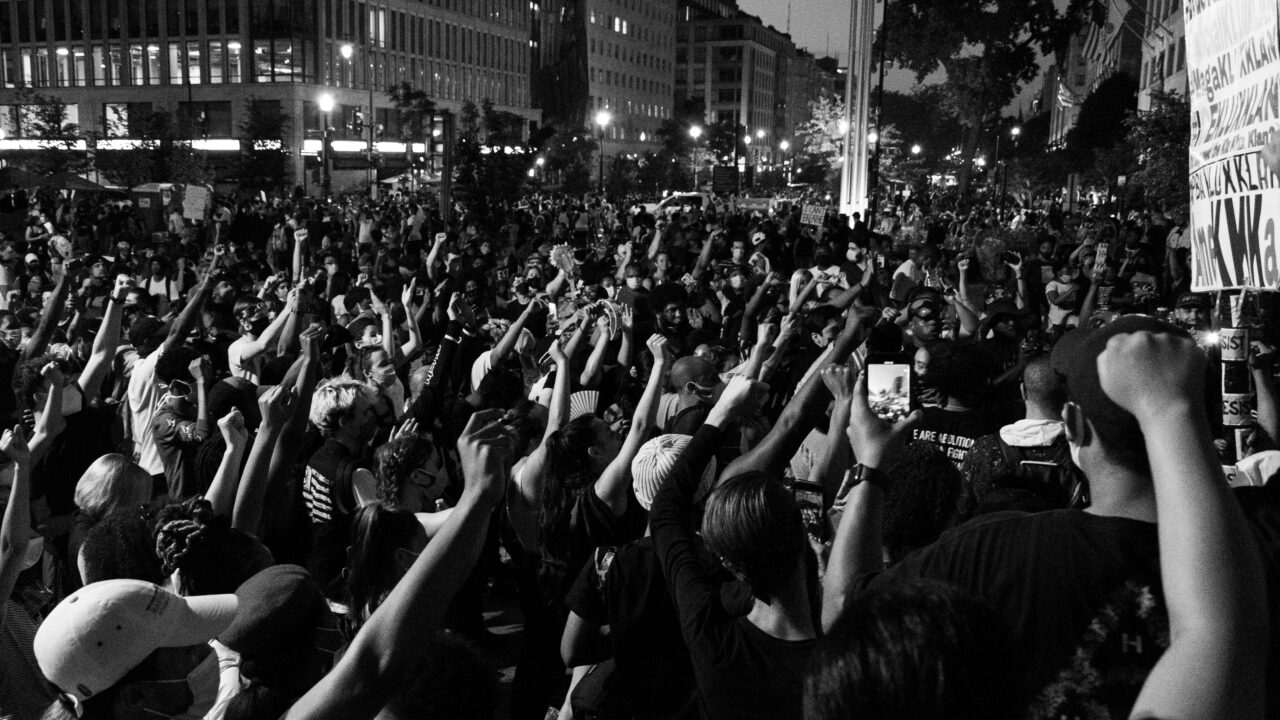
Koshu Kunii Movement Capture: Lessons from Funders and Organizers
Dorian Warren, Megan Ming Francis, and Maurice Mitchell talk about the history of "movement capture" and the work it will take to create healthy and sustainable movement cultures.
-
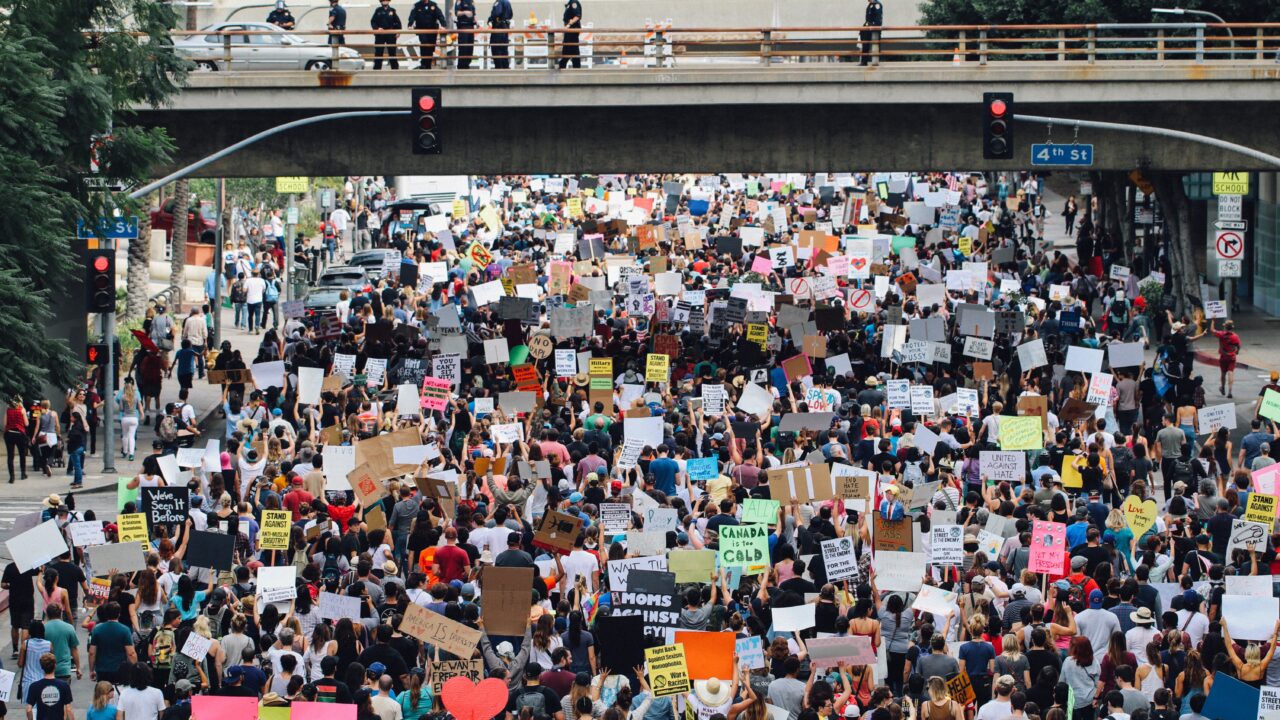
Alex Radelich “Power doesn’t give up power easily”
Hahrie Han on her new book, the moments of uncertainty that face every organization, and why base building is critical to navigating changing power dynamics over the long haul.
-

Getty Images Building People-Powered Budgets
Insights from budget campaigns across the PowerSwitch Action network
-
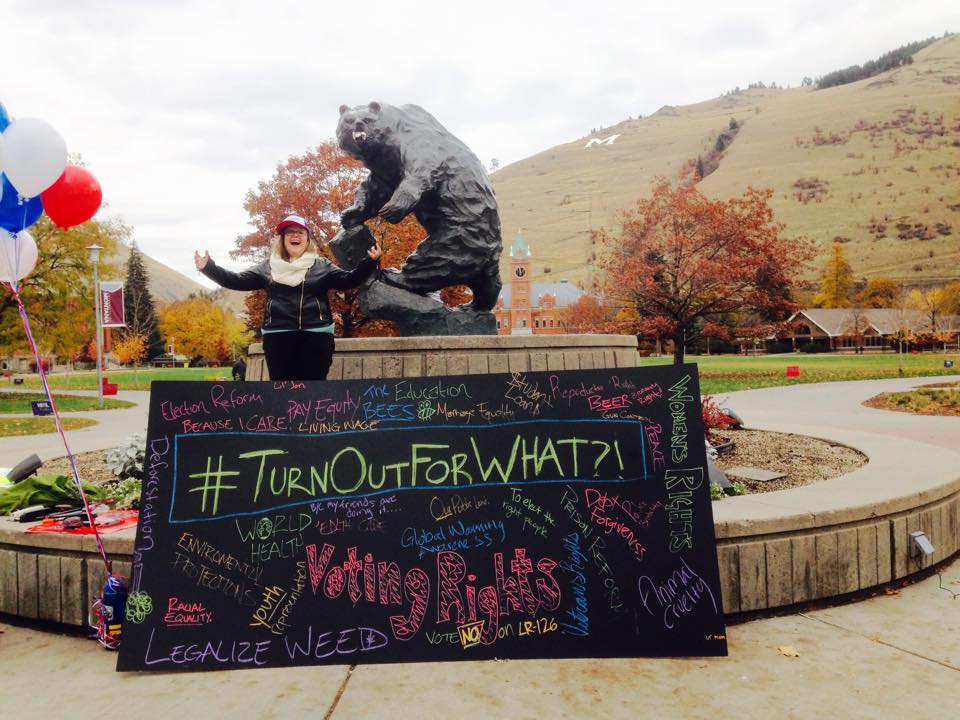
Photo courtesy of Forward Montana Progressive Organizers Must Redefine Success in Conservative States
I want the rest of America to see the rural America that I see: the queer and trans youth and youth of color refusing to be ignored and the young people demanding progressive change in order to save our planet and humanity.
-

Getty Images Transforming youth-led organizing in the digital age
While technology is transforming grassroots organizing in incredible ways, the core of our work is still relationship building.
-
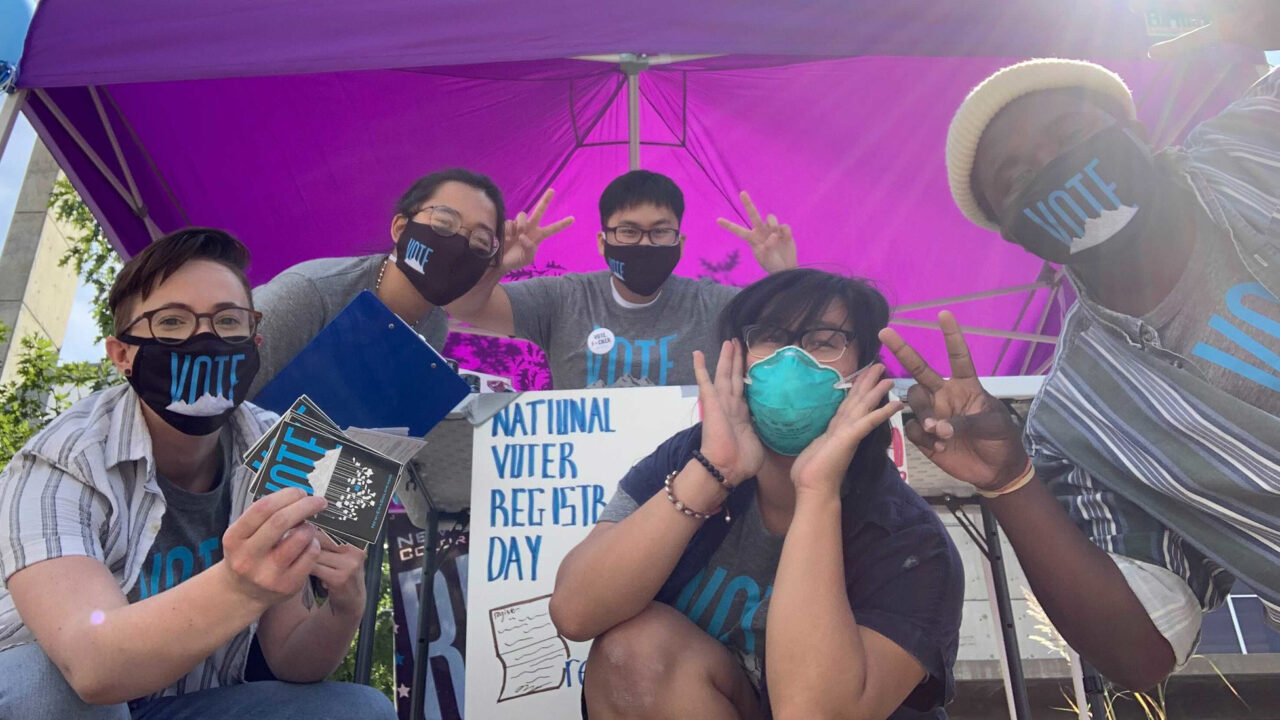
Photo courtesy of New Era Colorado Youth power requires more than electoral organizing
Our electoral organizing model increased turnout, but young people of color deserve more.
-
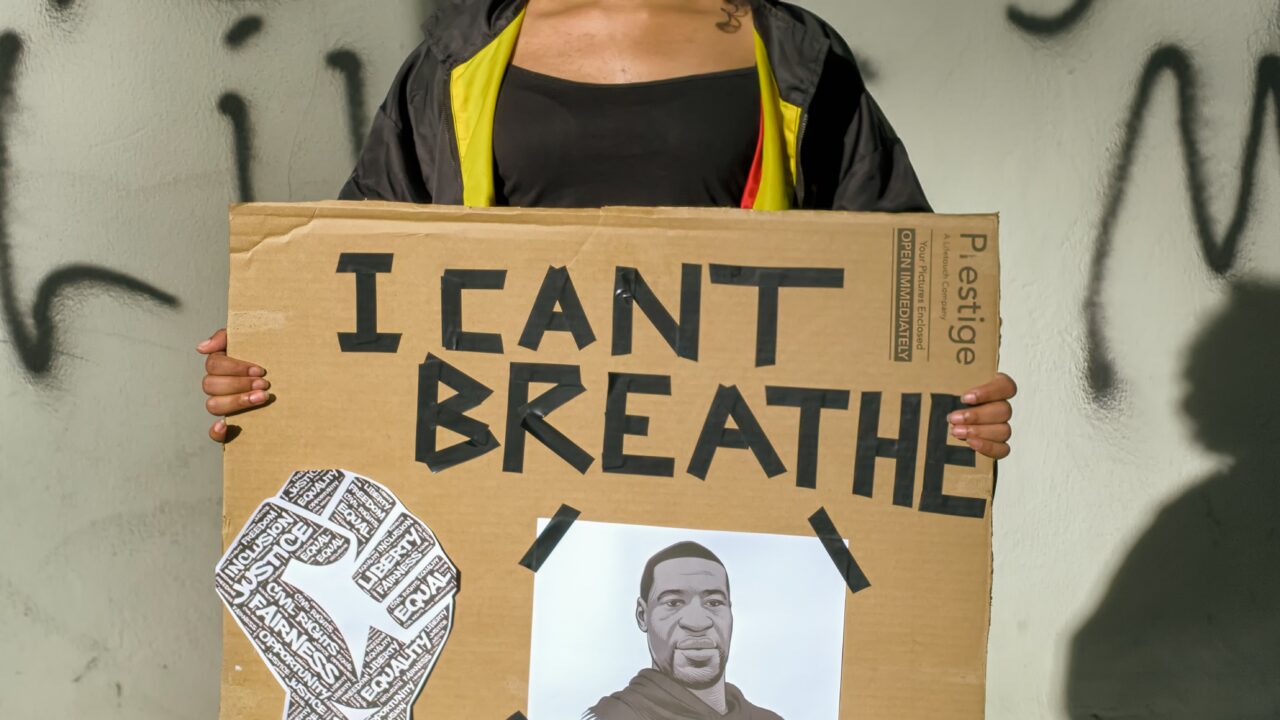
Photo by Obi Onyeador Young People Will Carry Us On
Tynetta Hill-Muhammad on why she sees young people as the foundation of the abolitionist movement, the work BYP100 does to transform the personal into the political, and the challenges and opportunities of working cross-generationally.
-
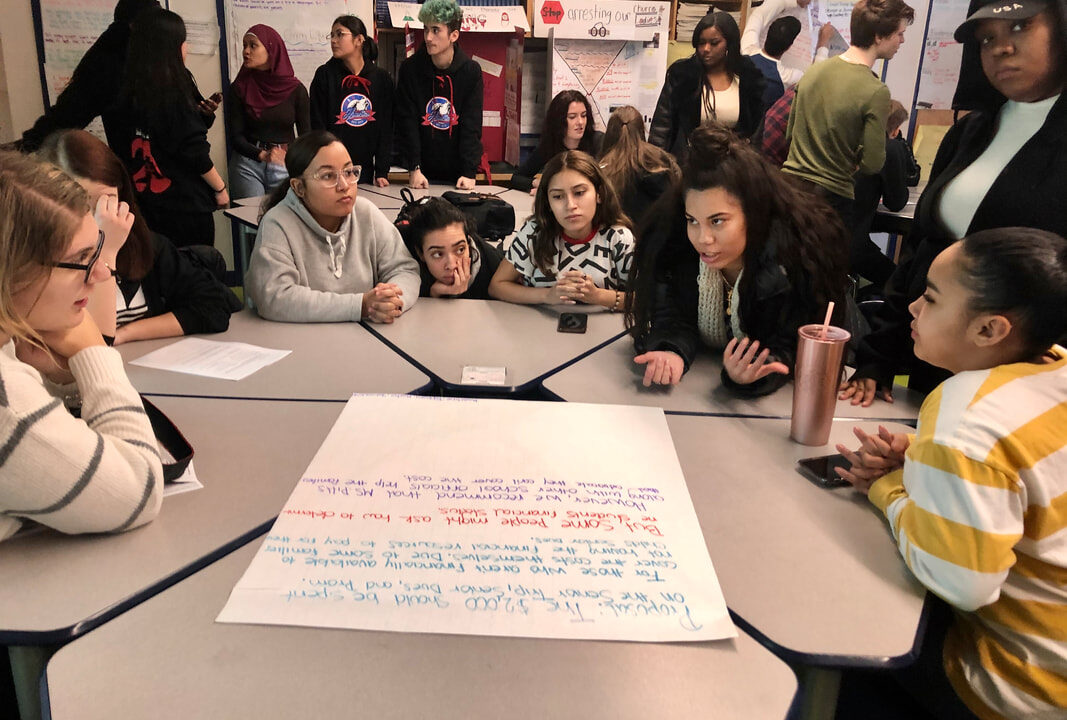
Photo courtesy of Generation Citizen Advocacy Within the School House
How Generation Citizen is pushing civics beyond the classroom to the community
-

Getty Images “Make the status quo unlivable”
Providence Student Union’s Emma Jewett on empowering young people to take action, navigating relationships with adult allies, and why youth organizing is such a powerful mechanism for change.
-
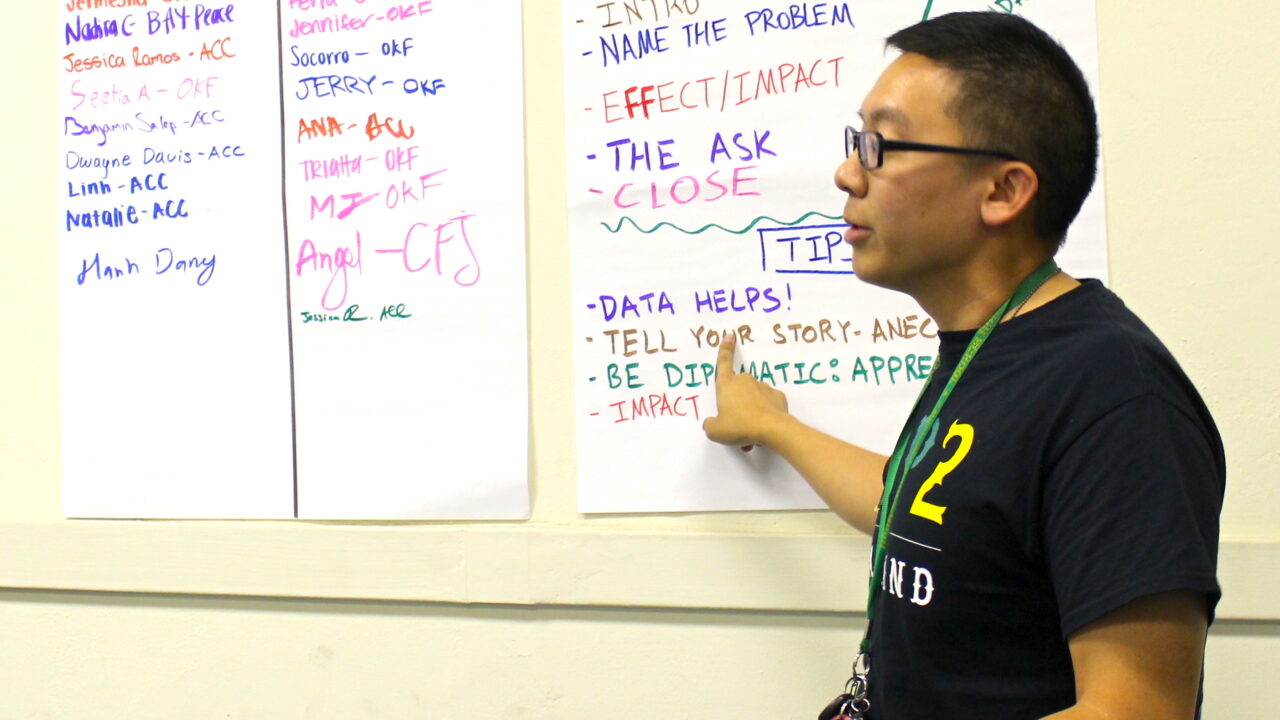
Photo courtesy of Oakland Kids First Oakland Students Turn the Tables
How Oakland Kids First built youth governing power during a pandemic
-
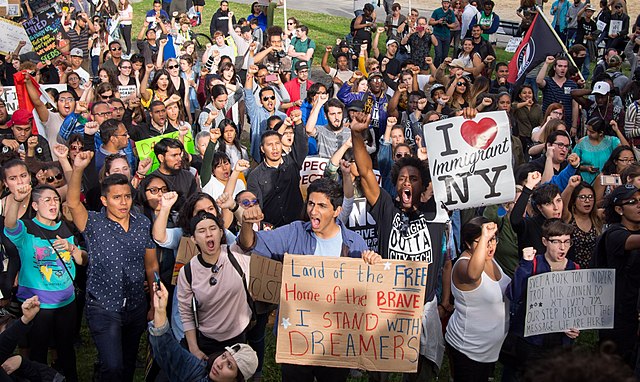
Rhododendrites Wikimedia Commons The Long Arc
Greisa Martinez Rosas on the importance of personal transformation, the long arc of the movement for justice, and how United We Dream’s strategies are shifting with the new administration.
-
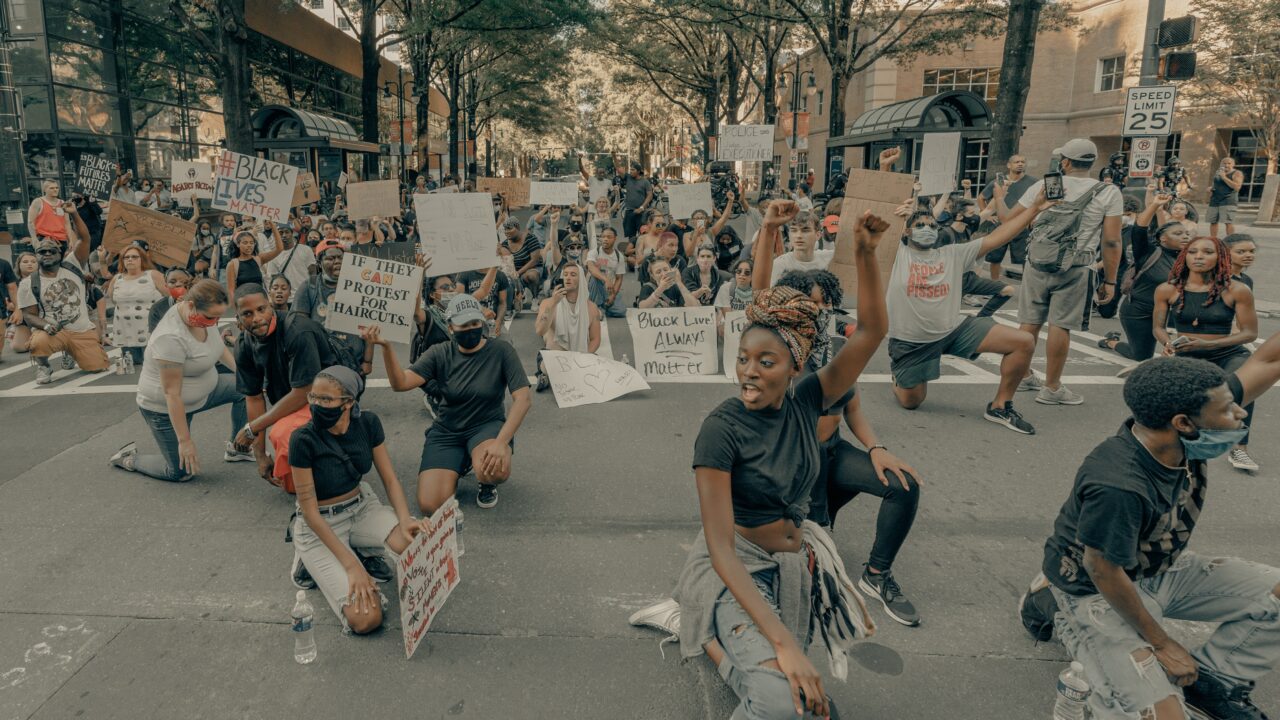
Photo by Gayatri Malhotra Introduction: Youth Organizing in the U.S.
In all of these stories, young people’s creativity, moral courage, and commitment enabled them to turn the resources they have into the power for change.
-

Photo courtesy of David Duhalde How YDSA Will Grow Post-Bernie
YDSA National Coordinating Committee Co-Chair Sarandon Elliott talks about the opportunities and challenges facing YDSA in this moment, her plans to help grow the organization over the next year, and the difference between socialist organizing and other forms of campus activism.
-
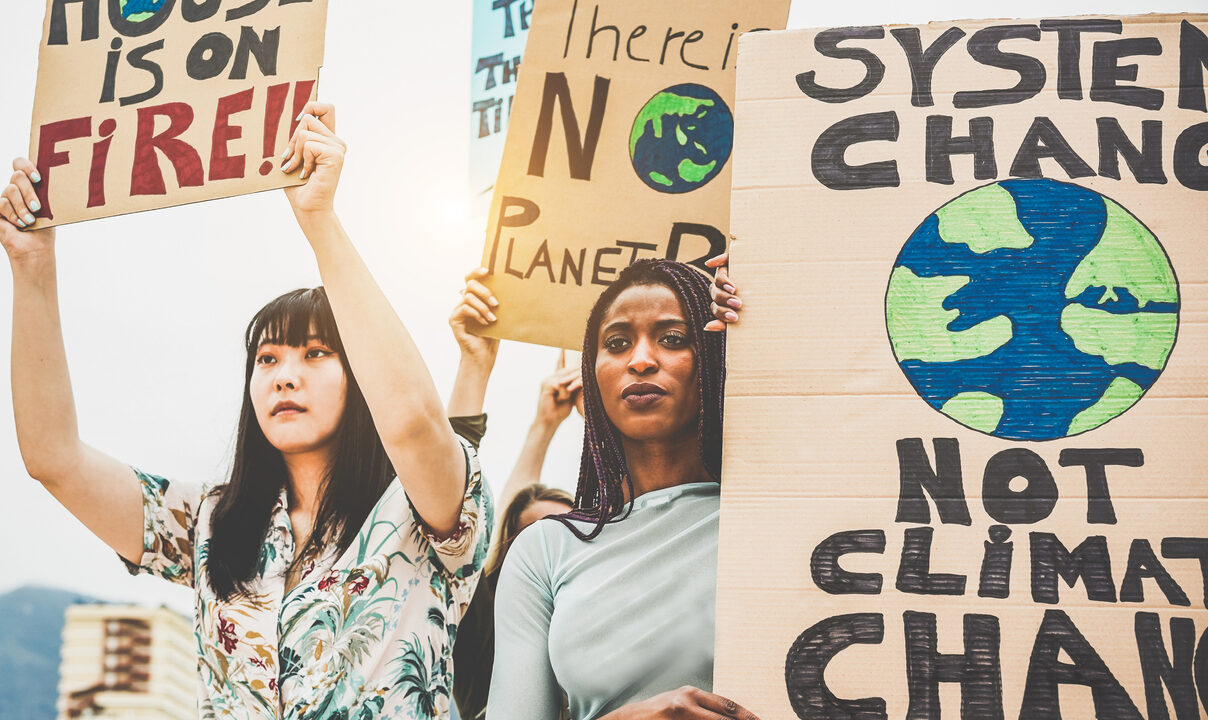
Getty Images From Climate Strikes to the Union Hall
Young workers are key to building the labor climate movement.