Articles
-
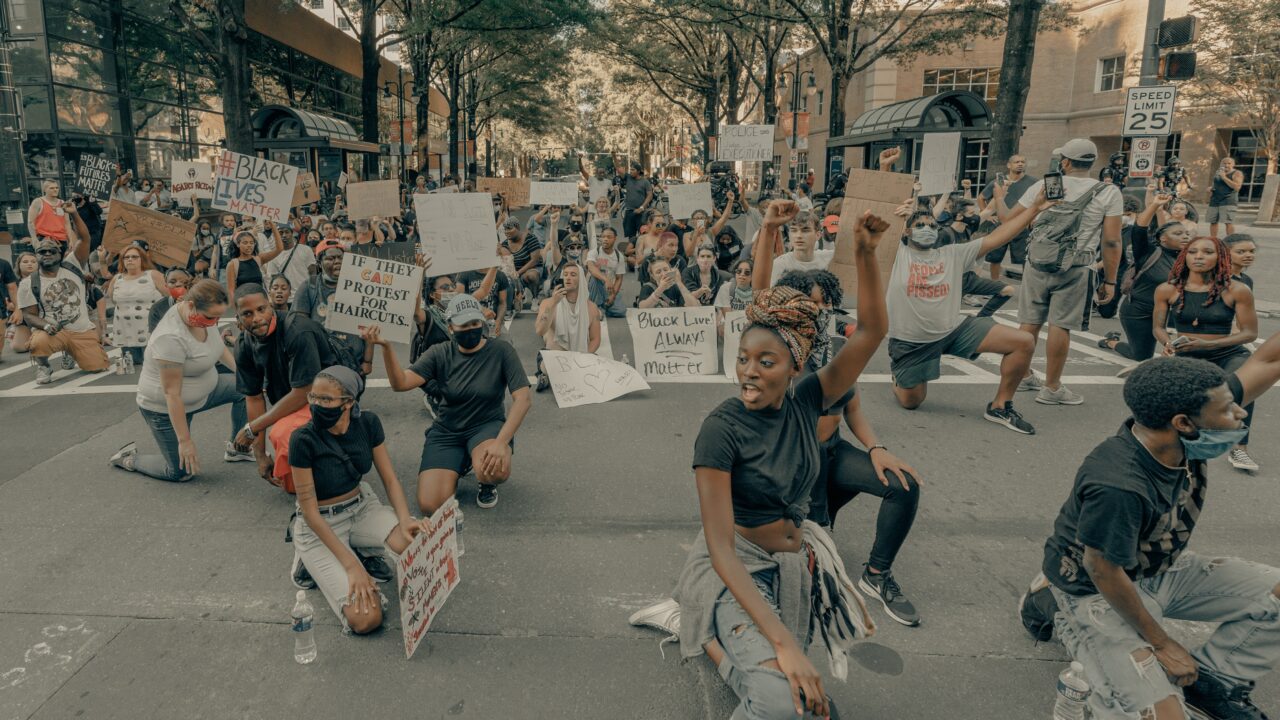
Photo by Gayatri Malhotra Introduction: Youth Organizing in the U.S.
In all of these stories, young people’s creativity, moral courage, and commitment enabled them to turn the resources they have into the power for change.
-
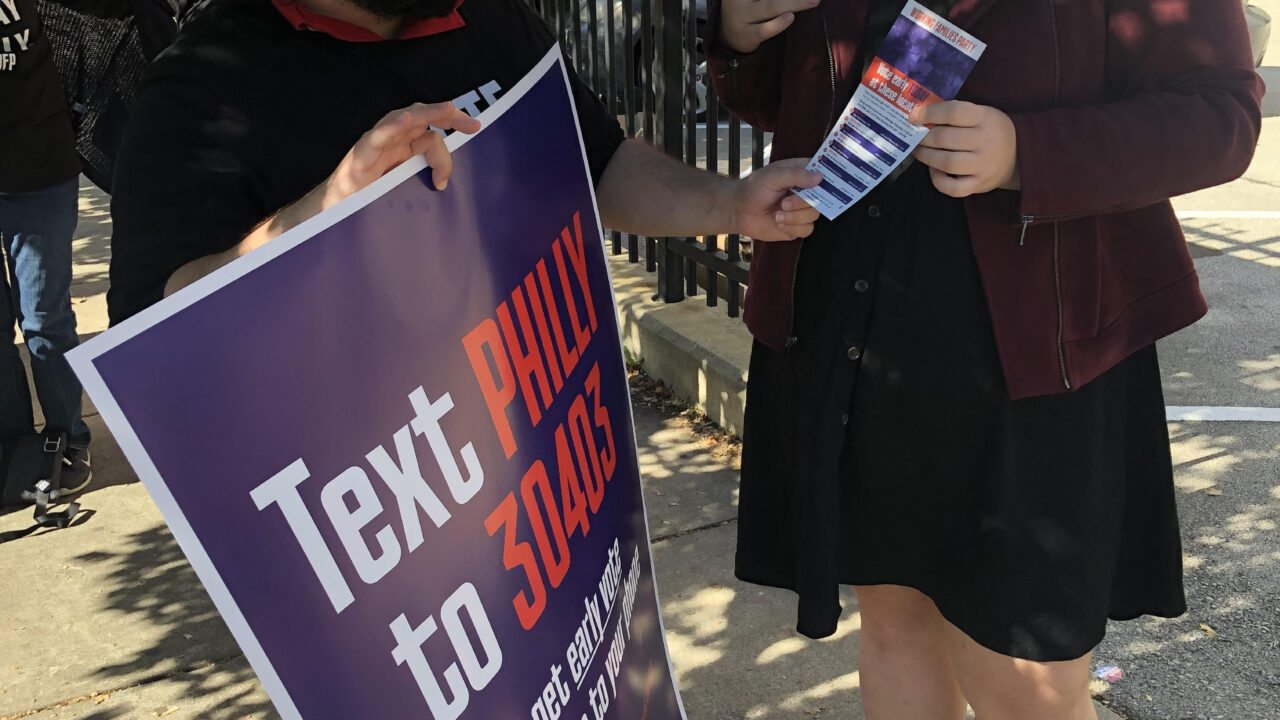
Photo courtesy of David Duhalde How YDSA Will Grow Post-Bernie
YDSA National Coordinating Committee Co-Chair Sarandon Elliott talks about the opportunities and challenges facing YDSA in this moment, her plans to help grow the organization over the next year, and the difference between socialist organizing and other forms of campus activism.
-

Getty Images From Climate Strikes to the Union Hall
Young workers are key to building the labor climate movement.
-
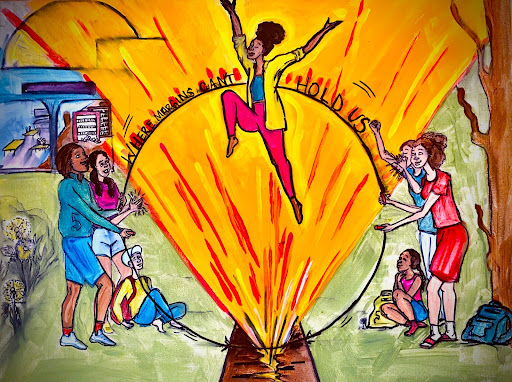
Image courtesy of Californians for Justice From Demanding to Commanding Power
We must find ways to transform the whole system, not just change policies. That will never happen unless we change the people, the culture, and the power young people of color have over their lives.
-
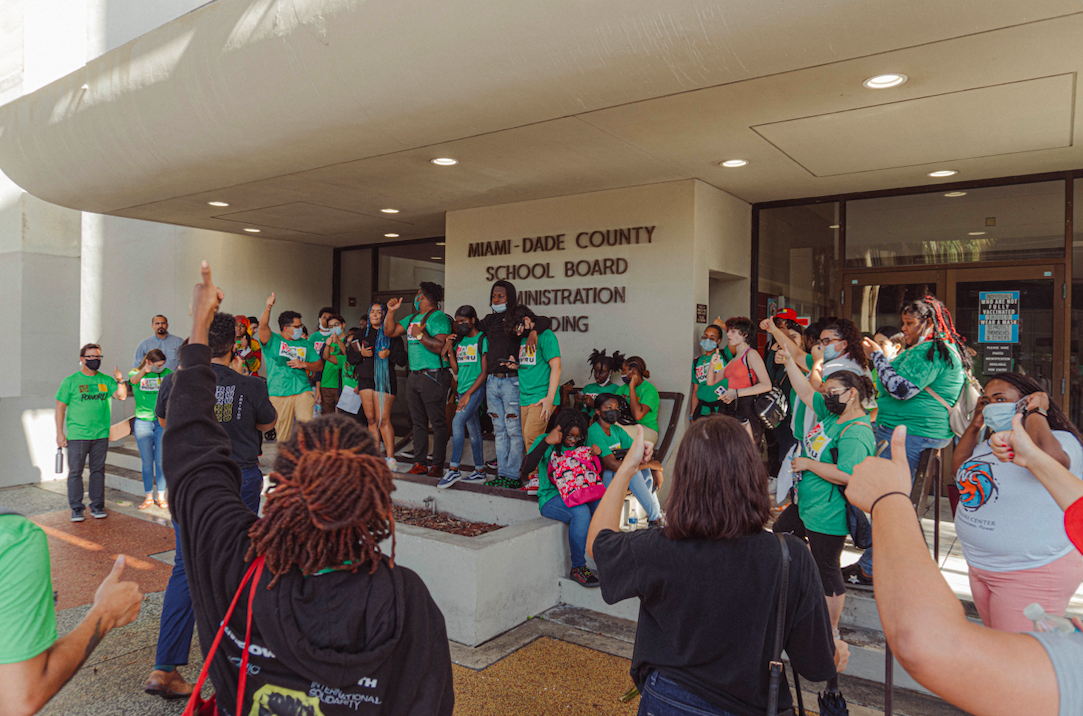
Photo courtesy of the author Commentary: Youth Organizing in the U.S.
We must build young leaders to make mass organization possible.
-
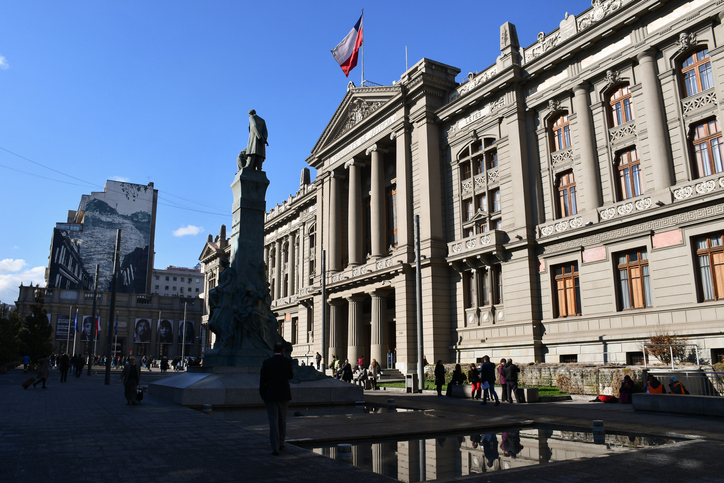
Getty Images Drafting Chile’s New Constitution
Mapuche representative Rosa Catrileo on her work in the community, the Mapuche demands for land and water in their historic territory, and how the new constitution can address those critical issues.
-
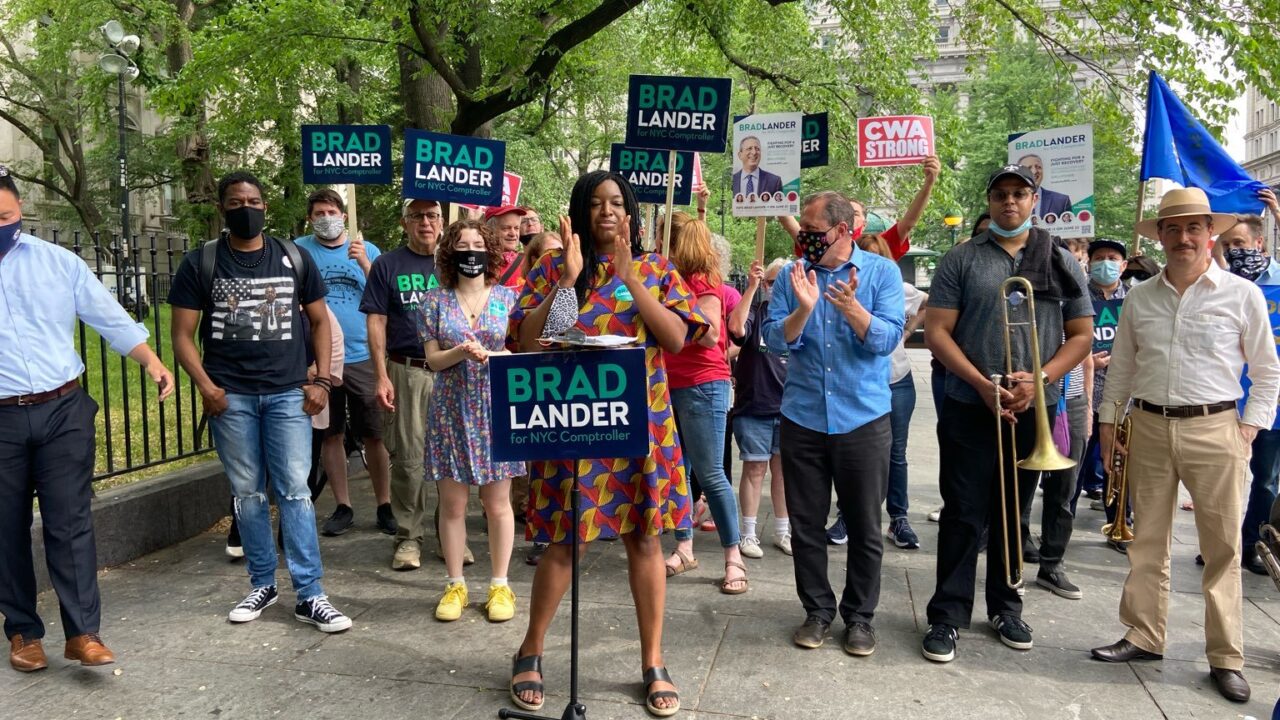
Photo courtesy of Working Families Party Debriefing the NY Primaries
Four veteran organizers talk about the recent elections in New York, the fractures that persist on the left, and how the movement failed to take advantage of ranked-choice voting to sweep the races.
-
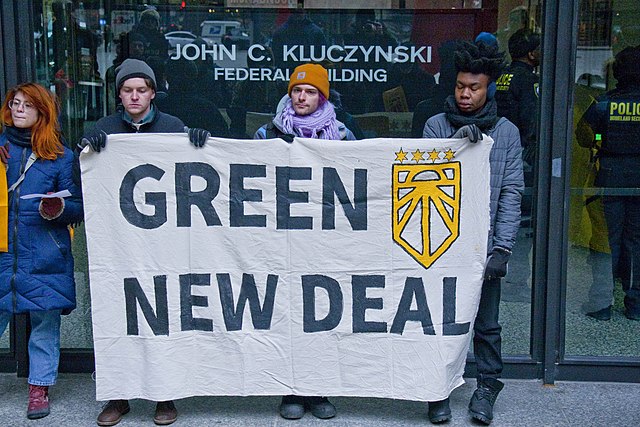
Photo by Charles Edward Miller (WikiCommons) Making Our Demands Both Practical and Visionary
How social movements are employing the concept of the “non-reformist reform” to promote far-reaching change
-

Ehimetalor Akhere Unuabona How DOJ Can Defund the Police
A Justice Department strategy can deflate police budgets while asserting community control over federal grants.
-

Getty Images The One-on-One
What I’ve learned about how to move workers in an initial organizing conversation
-

Getty Images, Rudzhan Nagiev “We wanted to keep those jobs”
Lena Eckert-Erdheim talks with three workers who were active in the drive to unionize No Evil Foods about their experiences of the company’s anti-union campaign and the challenges of unionizing progressive workplaces.
-

Photo by Walter Wlodarczyk “Who Feeds Us While We Feed You?”
This spring, immigrant New Yorkers secured a historic victory: a $2.1 billion fund for workers who lost jobs and income during the pandemic but received not a cent of government relief.
-

Getty Images Polling for Progress
At Data for Progress, we see polling as a tool for organizers and the progressive movement to shape public narratives and persuade stakeholders.
-

Getty Images Reflections on the Field
Five leaders in the movement reflect on where we have been — and where we are going.
-

Getty Images Powerful Invitations to Organize
An Interview with Prentiss Haney
-

Getty Images Organizing Philanthropy
Three leading organizers on their experiences with philanthropy, what true partnership might look like, and why it’s so critical for philanthropy to invest in self-sustaining funding for movement organizations.
-
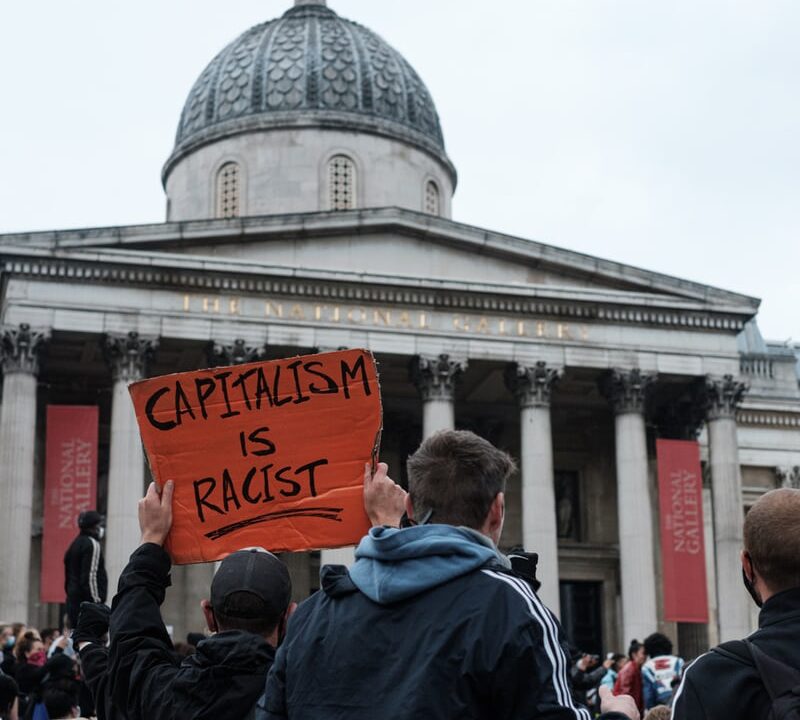
Philanthropy Can & Must Help Dismantle Racial Capitalism
If philanthropy does not take action to dismantle racial capitalism, it will remain complicit in maintaining the status quo and be unable to meet the growing needs of the most impacted communities.
-

Photo by Josh Appel What (Economic) Liberation Requires
We need to change how the progressive movement finances grassroots power building.
-
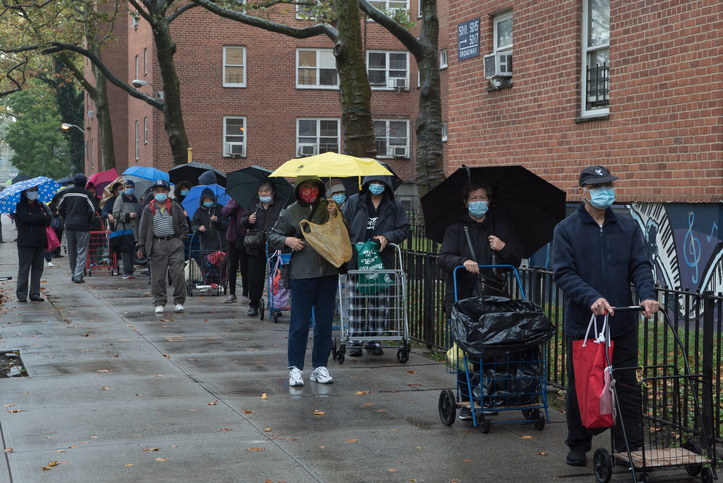
Getty Images Donor Collaboration Is Necessary to Fund Movements at Scale
The economic crisis of the past year has expanded the table of funders who want to support workers, economic recovery, and power building — and helped model new relationships for future efforts.
-

Getty Images Knowing What to Do Will Never Be Enough
“Funder organizing” has become a common phrase, but it lacks a shared definition. What could transformative funder organizing really look like?